Blog
New SEO Strategies: How the New Digital Age and Artificial Intelligence.
By Edgar Ruiz
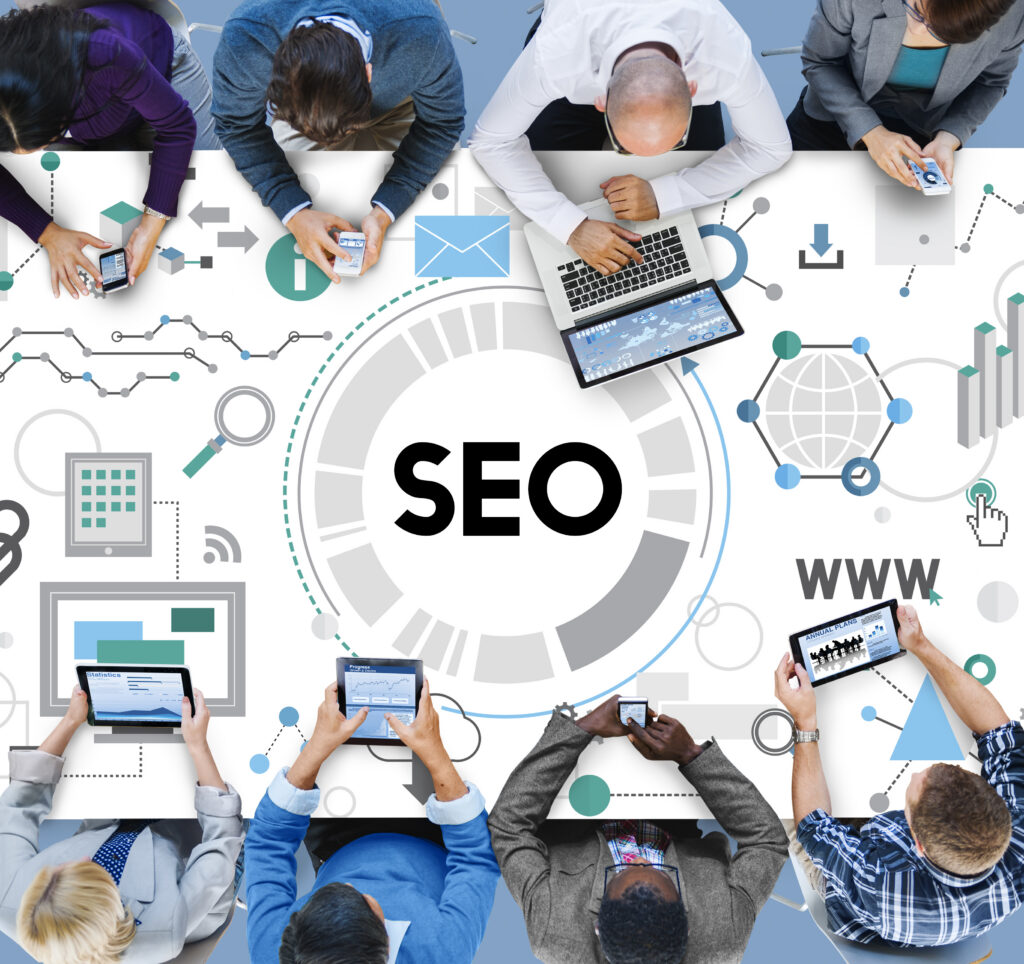
We’ve all heard about SEO, short for Search Engine Optimization. Over the past few years, SEO strategies and practices have evolved significantly as the internet has changed. Simply repeating a keyword a few times is no longer enough to achieve good results on Google. Today, search engines use artificial intelligence, analyze users’ search intent, and evaluate the quality, user experience, and usefulness of content.
In 2026, SEO is no longer just about appearing among the top search results. It also involves optimizing content for new search experiences powered by artificial intelligence, such as AI Overviews and other systems that generate answers directly for users.
In this article, I’ll discuss the best SEO strategies and how to implement them in digital marketing to improve a website’s ranking and visibility.
What Is an SEO Strategy and How Is It Developed?
An SEO strategy is a set of planned actions designed to improve a website’s visibility in search engines organically, attracting interested visitors without relying exclusively on paid advertising.
An effective SEO strategy combines technical optimization, high-quality content, user experience, and continuous performance analysis. It is a plan developed to increase a website’s visibility in the organic search results of search engines such as Google, Bing, and others. SEO is not a single action but an ongoing process that combines research, technical development, content creation, and results analysis to attract high-quality traffic.
These are the key elements and strategies used to develop and implement an effective SEO plan.
Keyword Research
Every SEO project begins with keyword research, which may include identifying a trending topic or keyword being discussed on social media.
The goal is to identify how users search for information and what type of content they expect to find.
During this stage, several factors are analyzed, including:
Search volume
Competition level
Search intent
Seasonal trends
Related keywords
Frequently asked questions from users
Search intent is one of the most important factors because it allows businesses to create content that aligns with the user’s actual needs and expectations.
Technical SEO
Technical SEO ensures that search engines can properly crawl, understand, and index a website.
Some of the fundamental elements include:
Page loading speed
Mobile optimization
HTTPS certificate
XML sitemap
robots.txt file
Website architecture
SEO-friendly URLs
Canonical tags
301 redirects
Fixing 404 errors
Core Web Vitals optimization
Without a solid technical foundation, even the best content can struggle to achieve strong search rankings.

Content Strategy
Content continues to be one of the fundamental pillars of SEO.
Today, Google prioritizes content that:
Clearly addresses search intent
Is useful and original
Demonstrates expertise
Is up to date
Provides verifiable information
Offers a well-organized structure through headings and subheadings
Good content should solve a problem or answer a question better than the alternatives available online.
On-Page SEO
On-Page SEO focuses on optimizing each individual page of a website.
It includes elements such as:
SEO title
Meta description
Headings (H1, H2, H3)
Natural use of keywords
Internal linking
Image optimization
Alternative text (ALT text)
Structured data
Reading experience
These optimizations help both users and search engines better understand the content.


Link Building
Links continue to be an important signal of authority for search engines.
Best practices include:
Earning links from trustworthy and authoritative websites
Publishing content that other websites want to reference and cite
Collaborating with other websites and industry partners
Implementing digital public relations strategies
Creating original research and studies
The quality of links is far more important than the quantity.
Local SEO
For businesses with a physical presence, Local SEO helps improve visibility in geographic and location-based searches.
The main actions include:
Optimizing the Google Business Profile
Maintaining consistent contact information across all platforms
Obtaining authentic customer reviews
Publishing regular updates and posts
Optimizing location-specific pages
Local SEO helps businesses connect with nearby customers who are actively searching for their products or services.

Core Web Vitals
Google considers user experience to be an important ranking factor.
Core Web Vitals evaluate aspects such as:
Loading speed
Visual stability
Response time
A fast website improves both search rankings and visitor satisfaction.
SEO and Artificial Intelligence
Artificial intelligence is transforming the way people find information online.
New features such as AI Overviews generate answers directly within the search results page.
This shift requires content creators to produce information that is more useful, clear, and supported by expertise and experience.
Google continues to recommend creating content for people first, rather than for algorithms.


GEO (Generative Engine Optimization)
GEO focuses on optimizing content so that it can be used and referenced by AI-powered search engines and generative search systems.
Some recommendations include:
Explaining concepts clearly
Answering frequently asked questions
Using up-to-date information
Citing reliable sources
Structuring content properly
Using lists and tables when they improve clarity and understanding
These practices help increase the likelihood that content will be selected and used by AI-generated search experiences and answer engines.
AEO (Answer Engine Optimization)
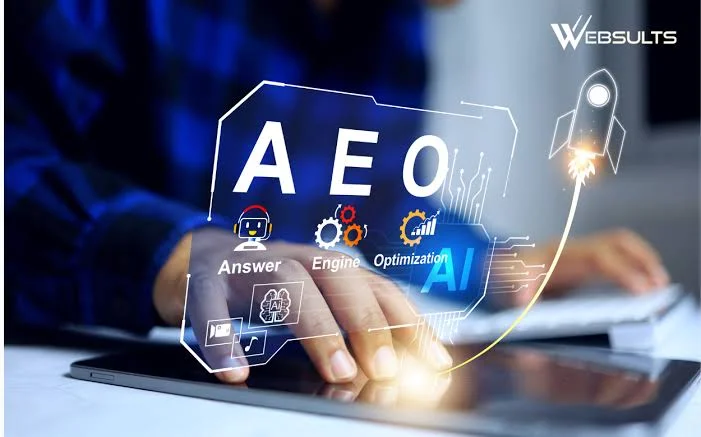
AEO focuses on providing direct and concise answers to users’ questions.
To achieve this, it is recommended to:
Use questions as subheadings
Provide clear answers at the beginning of each section
Organize content in a logical and easy-to-follow manner
Implement structured data when appropriate
These practices help improve the chances of content being selected for featured snippets, AI-generated responses, and answer engines.
Tips tools:
Among the tools most commonly used by SEO professionals are:
Google Search Console
Google Analytics
Ahrefs
Semrush
Screaming Frog
PageSpeed Insights
Google Trends
These are some of the best and most widely used tools in the SEO industry, helping professionals identify technical issues, analyze keywords, measure performance, and discover opportunities for improvement.
Conclusion
Modern SEO is no longer just about repeating a keyword or using it multiple times throughout a page. Today, it involves providing an excellent user experience, creating useful and original content, technically optimizing a website, and adapting to the evolution of search engines powered by artificial intelligence.
Organizations that combine a strong technical foundation with high-quality content, continuous analysis, and the ability to adapt will be better positioned to maintain and increase their organic visibility in the years ahead.